
Kid’s Dental Checkups & Teeth Cleanings – Fort Washington, PA
Gentle, Comfortable Dental Care for Your Child

Routine dental checkups and teeth cleanings aren’t just important for adults, they are crucial for growing smiles too! Dr. Gardner and the rest of our top-rated team at Upper Dublin Pediatric Dentistry take pride in offering a wide range of pediatric dental services at our conveniently located dental office in Fort Washington, including essential preventive dentistry. If you would like to learn more about why these semi-annual visits are recommended as well as what your child can expect during their dental checkup and teeth cleaning in Fort Washington, then keep reading!
Why Choose Upper Dublin Pediatric Dentistry for Dental Checkups and Teeth Cleanings?
- Board-Certified Pediatric Dentist
- Top-Rated Pediatric Dental Office in Fort Washington
- Dental Insurance Welcome
Why Are Regular Dental Checkups & Teeth Cleanings Important?

The American Dental Association recommends bringing your child in for a dental checkup and teeth cleaning every six months to ensure their teeth stay healthy and that their smile stays beautiful. That’s because good oral health is very important to the well-being of their entire body! While routine brushing and flossing at home are necessary to keep their smile looking its best, visiting our board-certified pediatric dentist for a comprehensive dental exam and teeth cleaning is essential as well. That way, we can help:
- Prevent tooth decay and gum disease
- Avoid costly and extensive dental procedures
- Reduce staining from food and drinks
- Have a smile that will last a lifetime
What to Expect During a Dental Checkup
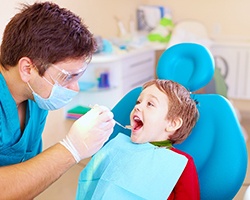
After welcoming your child into our pediatric dental office and getting to know them a bit better (or catching up from their last appointment), Dr. Gardner will thoroughly examine their teeth and gums for signs of tooth decay, gum disease, and other oral health problems. If necessary, we may also want to take X-rays to see what is happening beneath the surface of the teeth and gums. That way, we can find dental issues not visible to the naked eye, like impacted teeth.
What to Expect During a Teeth Cleaning
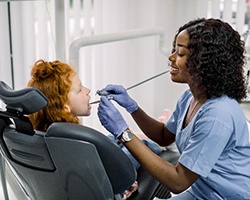
The next portion of their appointment is the dental cleaning. One of our gentle and compassionate dental hygienists will carefully clean your child’s teeth with a variety of tools to remove any hard mineral buildup (tartar) from the teeth. Then, they will floss your child’s teeth, use a polishing compound, and apply fluoride.
If our team finds tooth decay or gum disease, we will talk to you about changing your child’s brushing or flossing habits. In severe cases, they may recommend antibiotics or other dental treatments. If your child’s teeth and gums appear to be healthy, the dentist will probably recommend that your child continue their brushing and flossing routine as usual.
Kids Checkups & Cleanings FAQs
Do dental hygienists do professional teeth cleanings?
At Upper Dublin Pediatric Dentistry, it’s typically for a dental hygienist to perform a child’s dental cleanings and polish their teeth. Hygienists are also trained and equipped to take X-rays, administer fluoride treatments and dental sealants, and evaluate our patients’ oral health by examining their teeth, gums, tongue, and jaw points. Our staff can also help treat gum disease and advise your family as to better oral hygiene practices.
How do dental hygienists clean teeth with braces?
Children who are undergoing orthodontic treatments must continue to visit our office in Fort Washington every six months for routine checkups so we can monitor their oral health and address issues like cavities and gum disease while they are still in their early stages. These appointments will not be much different from the exams and cleanings we perform for kids without braces, but they may take longer since our hygienist will have to clean around the brackets and wires. Our staff will also take care to clean along the gumline and polish the braces with prophylaxis paste to remove surface stains. Normally, these cleanings will be concluded with a fluoride treatment designed to reinforce the patient’s enamel and prevent decay.
When should I take my child to the dentist for the first time?
The American Academy of Pediatric Dentistry states that all parents should bring their children to see the dentist for the first time by the age of one or when their first tooth grows in, whichever comes first. These initial appointments will help them acclimate to the sensations of receiving dental care and help them feel more comfortable at the dentist’s office. These checkups mostly serve to allow our staff to monitor your child’s oral health and can usually be performed with them sitting comfortably in your lap. We’ll also be happy to answer any questions you have about your child’s oral hygiene as well as teething and other aspects of their dental development. Regular dental checkups will help your child develop excellent at-home oral hygiene skills, which will reduce their risk of painful and destructive oral infections.
What does my child’s dentist screen for during routine checkups?
Routine dental appointments can help prevent nasty oral infections that can make extraction necessary. At each of your child’s checkups, our dentist will inspect X-rays of their teeth and visually examine their mouth for signs of decay, infection, and injury. We’ll also check for signs of serious oral health issues that may be indicative of greater overall health problems and inspect any restorative appliances in case they need to be repaired or replaced. We’ll be sure to take the time to answer any questions you have about your child’s oral health.
How Often Does My Child Need to Visit the Dentist’s Office for a Cleaning and Exam?
Based on many rigorous clinical studies, the American Dental Association and dentists across the world recommend that everyone receive routine checkups and cleanings every six months. While your child’s at-home oral hygiene regimen is their first line of defense against destructive oral infections and injuries, regular checkups allow a qualified oral health professional such as Dr. Gardner or Denner to monitor their oral health, thoroughly clean their mouth, address problems in their early stages, and recommend better ways for them to take care of their teeth at home. These appointments will help your child avoid tartar accumulation, bad breath, and serious oral health problems like cavities, gum disease, and tooth loss. Making sure that each member of your family sees a dentist regularly is one of the best ways to avoid painful oral health issues as well as potentially costly restorative treatments.
What Factors Can Lengthen My Child’s Regular Dental Appointment?
Most dentists book patients for visits that are either an hour or an hour-and-a-half long based on whether they’re a new patient or not, but the span of time your child’s appointment will take will depend on a variety of factors. A few things that can increase how long it takes to inspect and treat your child’s teeth include our dentist identifying oral health concerns or if you’d like to discuss your kid’s candidacy for additional treatments.
How Often Does My Child Need to Get Dental X-rays?
Dental X-rays only take a few minutes and are usually completed every six months. The dentists at our office can take three different types of X-rays, and the ones your child needs during their checkup will depend on how long it has been since they have received them and what kind they received. Bitewings are used to check the integrity of the enamel so cavities can be detected, and they are usually taken every year. Periapical X-rays are used to help plan treatments and to detect issues in the roots of the teeth, and they are taken when determined necessary. Panoramic X-rays are usually taken every three to five years to check for changes in alignment as well as developmental concerns like the emergence of the wisdom teeth. Genetic issues and existing medical conditions can also make X-rays necessary.